


































Why Is Pressure Alone Not Enough When Selecting a Professional Pressure Washer?

Pressure is usually the first value compared on a pressure washer. It describes the force applied at the surface, but it does not describe the complete cleaning process. Water flow carries loosened contamination away. Nozzle selection controls the impact area. Pump construction, water temperature, duty cycle and facility infrastructure determine whether the machine can work reliably in the intended application.
Pressure separates soil; flow removes it
Two machines with the same pressure can behave differently when their flow rates are different. Insufficient flow can extend rinsing time on large surfaces. Higher flow can improve removal but requires an adequate water supply and drainage system. Both values must therefore be evaluated against the surface and contamination.
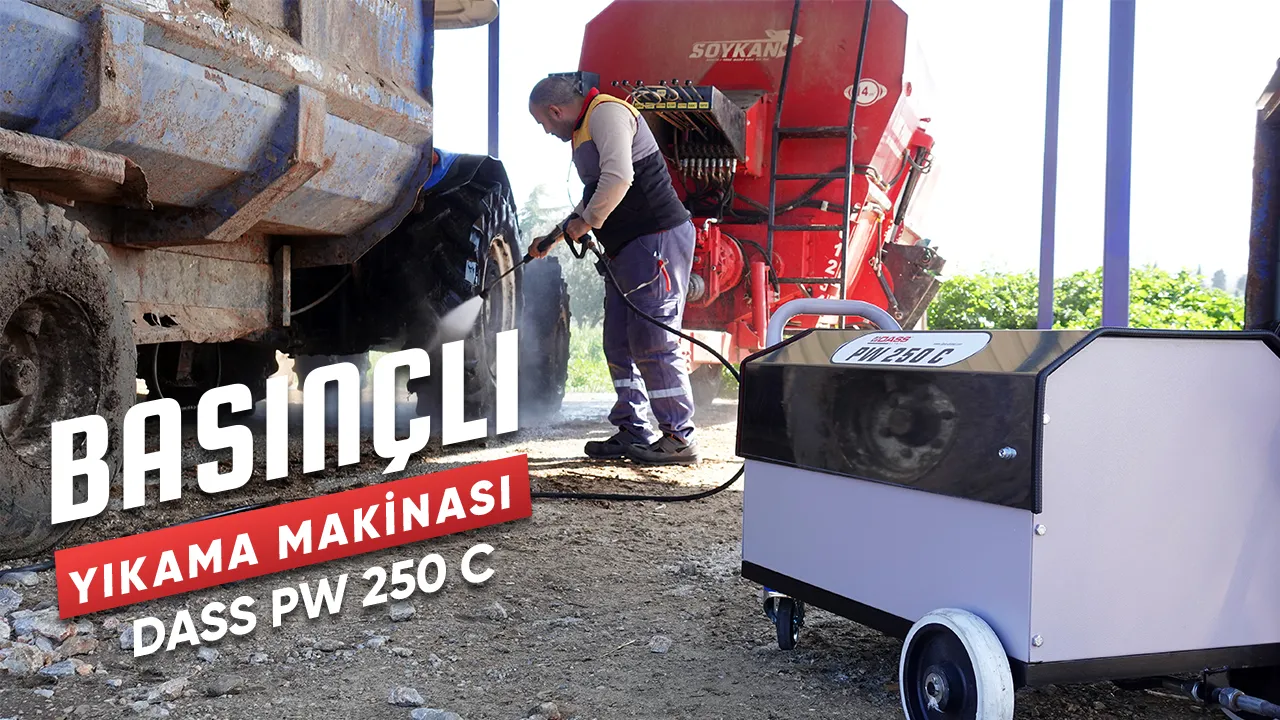
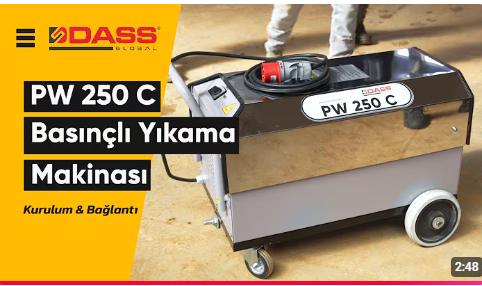
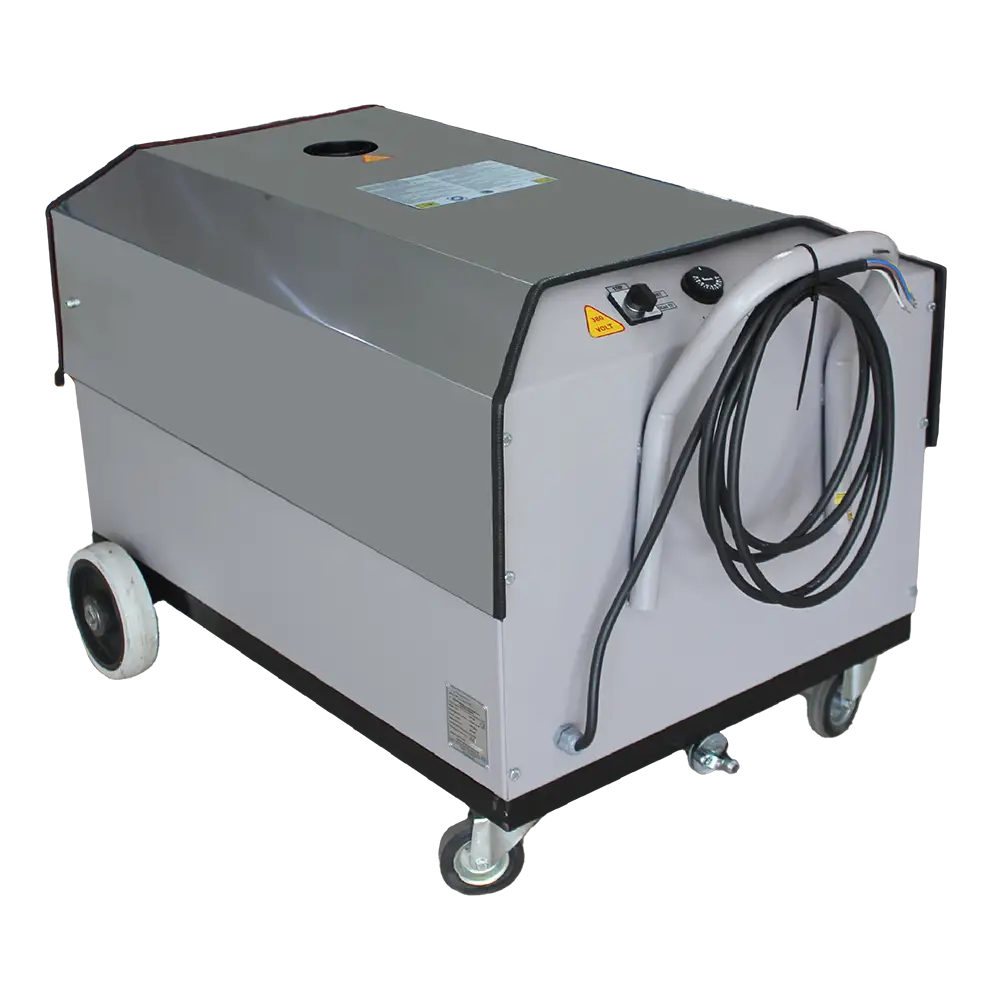
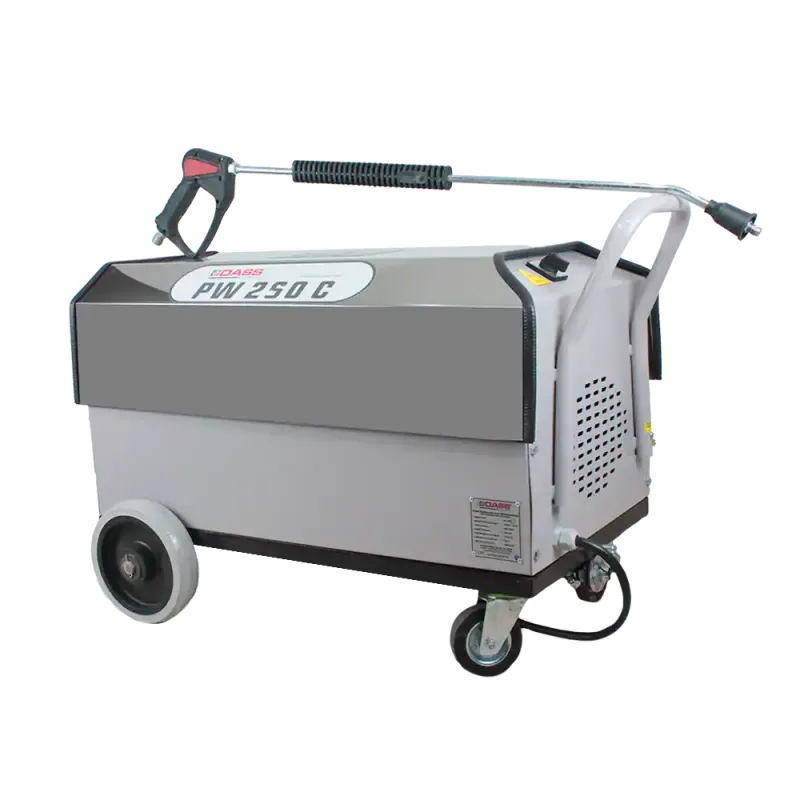
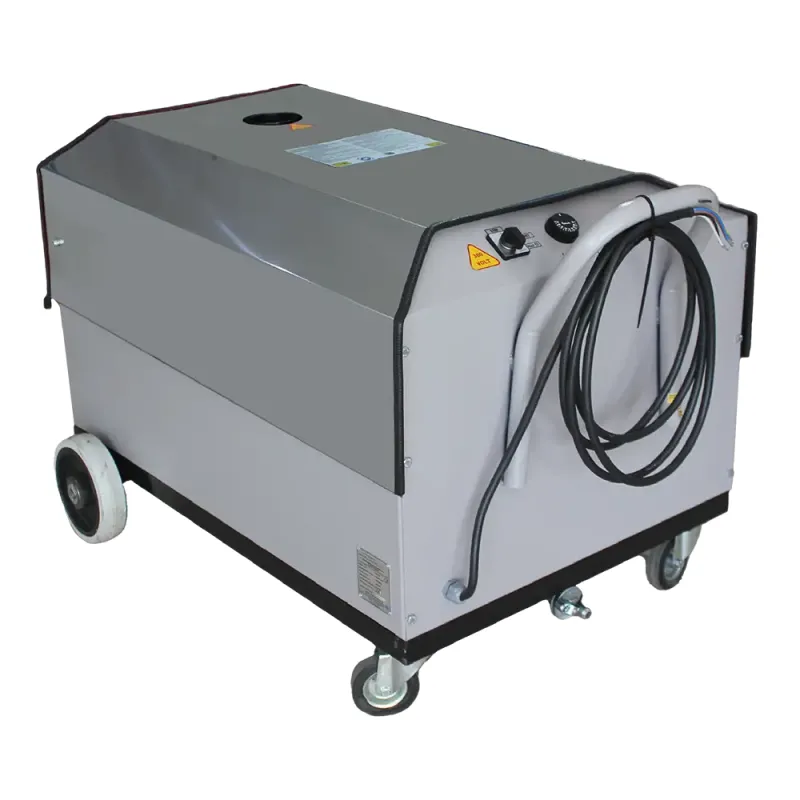
The DASS PW 250C provides 250 bar maximum pressure and 15 L/min pump flow. Its 7.5 kW motor, 380 V supply and three ceramic-piston pump are intended for demanding professional work. These values also mean that the site needs a suitable three-phase electrical line, water feed and controlled drainage before installation.
When can 150 bar hot water be more useful than 250 bar cold water?
Temperature can support the removal of oil and grease. The DASS PW 150MH combines 150 bar pressure, 8 L/min flow, a 3 kW motor, 220 V supply and hot/cold operation. PW 250C offers higher cold-water pressure and flow. The correct comparison is not that 250 is always better than 150. Grease content, surface sensitivity, electrical infrastructure, water supply and daily workload decide which process is more appropriate.
What is the role of ceramic pistons?
The pump operates under repeated pressure and is one of the key service components. Ceramic pistons are used to support wear and temperature resistance under professional duty. They do not remove the need for maintenance. Water quality, inlet filtration, oil inspection, frost protection and preventing dry running remain essential for pump life.
Nozzle and working distance protect the surface
High pressure can damage paint, seals, electrical connections, joints, wood and sensitive coatings. Nozzle angle and distance should be selected for the target surface. Operators should avoid holding the jet at one point and should use suitable personal protective equipment.
Values to confirm before purchase
- Maximum and continuous operating pressure
- Pump flow and available water-supply capacity
- Motor power and 220 V or 380 V requirement
- Pump design, piston material and service access
- Need for hot water according to grease and oil content
- Nozzle options, hose length and safe working distance
- Drainage and wastewater control
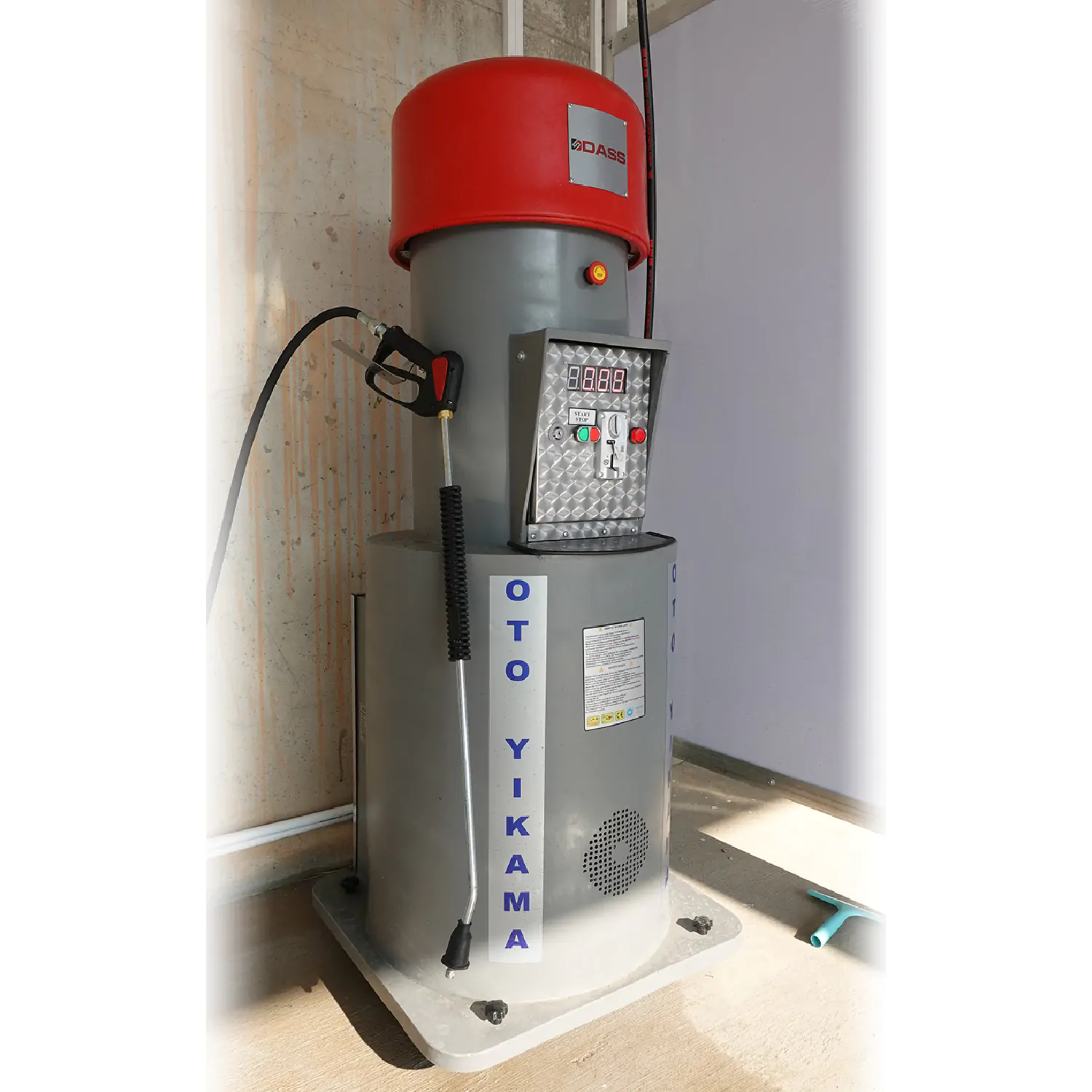
Professional cold-water, hot-water and high-flow alternatives can be compared in the DASS pressure washing range. The correct decision combines pressure, flow, temperature, pump construction and facility capacity rather than selecting the highest bar value.
Related Products
1 Comment(s)
Great reminder! I learned the hard way that nozzle distance matters as much as pressure. Keeping the wand moving and starting at a wider distance helps protect paint and seals. A slope 2 angle on wood or delicate coatings also reduces the risk of gouging. Before buying, I'd confirm PSI, GPM, and nozzle rating against your target surface.
Leave a Comment