


-480x270.webp)

-380x220.jpg)







Industrial Vacuum Cleaners: Areas of Application
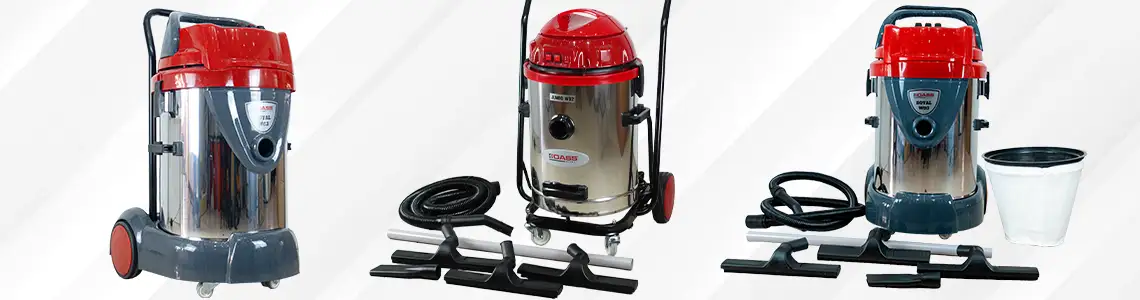
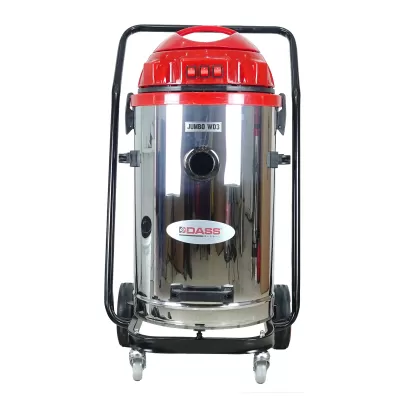
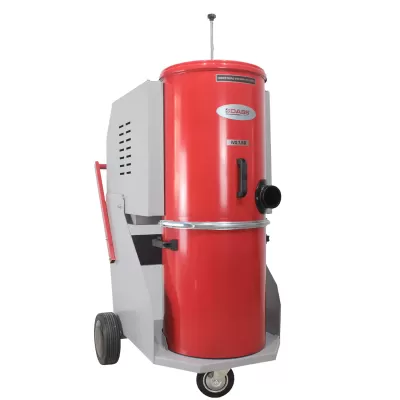
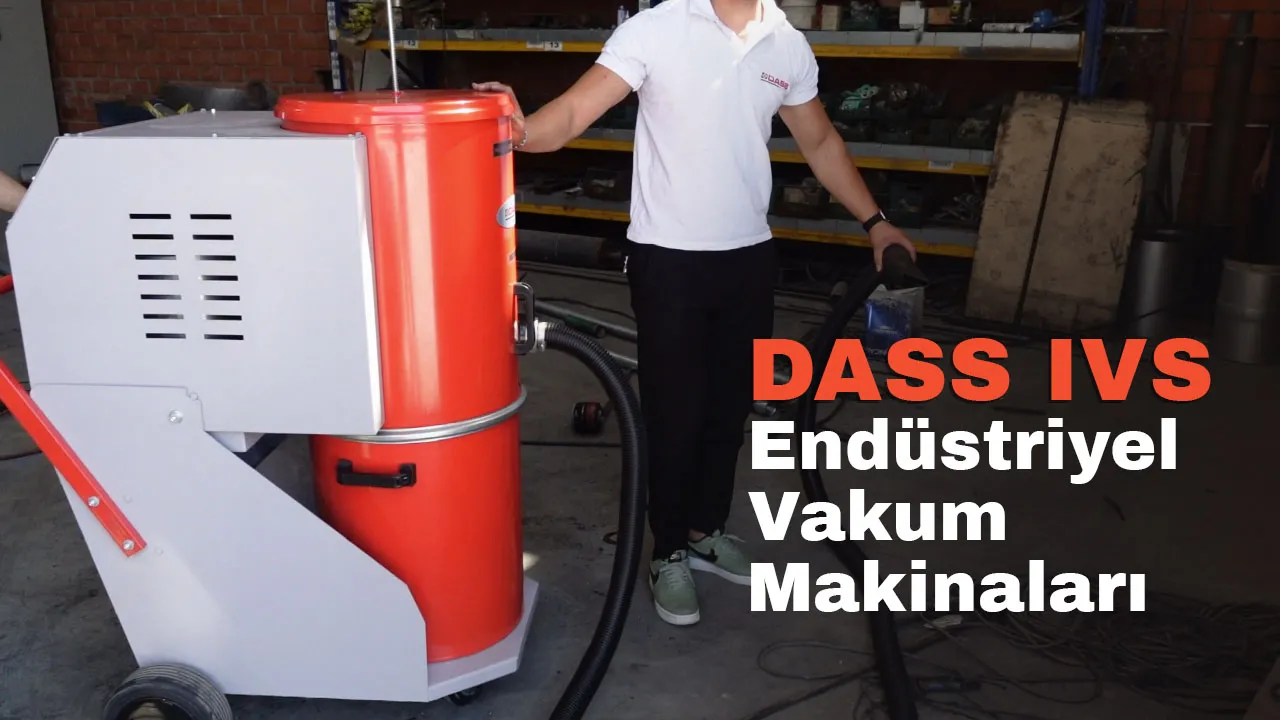
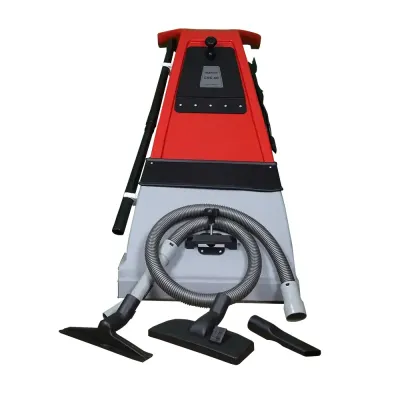
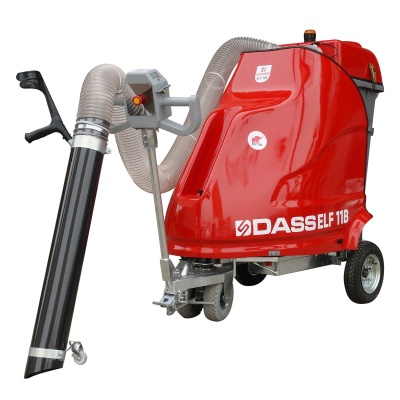
Industrial vacuum cleaners differ from household vacuum cleaners in that they are generally wet and dry vacuums. This means they can clean both dust and liquid materials. Industrial vacuum cleaners usually have a larger dust container, allowing for longer cleaning periods without interruption. They also typically feature longer hoses, enabling them to reach greater distances.
Areas of Use
-
Agriculture:
Industrial vacuum cleaners are used in agricultural operations to recover grain dust from silos. -
Automotive:
Due to the use of paint and powder coating in the automotive industry, industrial vacuum cleaners are used to recover dust from coating booths. -
Aviation:
In aviation factories, the cleaning of paint and dust is as critical as in the automotive industry. Industrial vacuum cleaners used in clean rooms meet the strict cleanliness standards of the aviation sector. -
Baking and Snacks:
In the baking industry, industrial vacuum cleaners are used for flour recovery. Since fine flour particles can cause clogging, vacuums with multi-stage filtration systems and filter shakers are preferred. -
Beverage:
In beverage plants, recovering spilled liquids is a major requirement. Industrial vacuum cleaners with high static lift capacity are used to lift heavy materials. -
Chemical:
In chemical plants, industrial vacuum cleaners are essential for personnel working with hazardous materials. They are used for product transfer and recovery. -
Industrial Buildings:
In industrial buildings, wet and dry vacuums are used for spill cleanup and for the recovery of hazardous materials such as asbestos and lead paint. -
Electrical and Electronics:
In the electronics industry, industrial vacuum cleaners used in clean rooms ensure the safe cleaning of critical electronic components. -
Food Industry:
Widely used in industrial facilities for spill cleanup and product recovery during production and packaging processes. -
Healthcare:
In healthcare facilities, cleanliness is critical. Industrial vacuum cleaners are used to clean spilled liquids and help protect patients. -
Manufacturing:
Commonly used for the recovery of metal shavings and coolant fluids in manufacturing environments.
Advantages
-
Powerful:
Industrial vacuum cleaners are more powerful than household vacuum cleaners, allowing them to remove larger amounts of dust, dirt, and liquids. -
Durable and Robust:
Designed to withstand harsh working conditions, making them suitable for industrial environments. -
Wide Range of Accessories:
They offer a broader range of accessories compared to household models, enabling use for various cleaning tasks. -
Wet and Dry Vacuuming:
Capable of cleaning both dry debris and liquids. -
Large Dust Container:
Allows for extended operation without frequent emptying. -
Long Hose:
Enables cleaning in hard-to-reach or distant areas.
Key Considerations When Choosing
-
Area of Use:
The intended application should be considered. For example, a vacuum used in agriculture will have different requirements than one used in the automotive industry. -
Material to Be Cleaned:
The type of material—dust, liquid, or hazardous substances—should determine the vacuum’s features. -
Price:
Industrial vacuum cleaners are generally more expensive than household vacuum cleaners. -
Noise Level:
Due to their power, industrial vacuum cleaners can be noisier. Noise levels should be considered, especially in enclosed spaces.
Special Applications
Industrial vacuum cleaners can be designed with specialized features for specific needs. For example, vacuums used in dusty and hazardous environments such as mining should have:
-
High suction power
-
Durable and robust construction
-
Safe operation features
These types of industrial vacuum cleaners are typically higher priced.
Conclusion
Industrial vacuum cleaners are powerful machines widely used across various industries and positively impact workforce efficiency. They can be used to clean dust, dirt, liquids, and other materials. When selecting an industrial vacuum cleaner, factors such as the application area, the material to be cleaned, and budget should be carefully considered.
Related Products

Leave a Comment