


























Does Brush Count Alone Determine Automatic Carpet Washing Capacity?

Brush count is easy to compare, so it often becomes the headline value in automatic carpet washing quotations. Actual production depends on brush configuration, brush speed, conveyor speed, washing width, rinsing, carpet rolling, operator preparation and the capacity of the following extraction and drying stages. More brushes can provide greater mechanical action, but they do not automatically guarantee more completed carpets per day.
Disc and roller brushes perform different duties
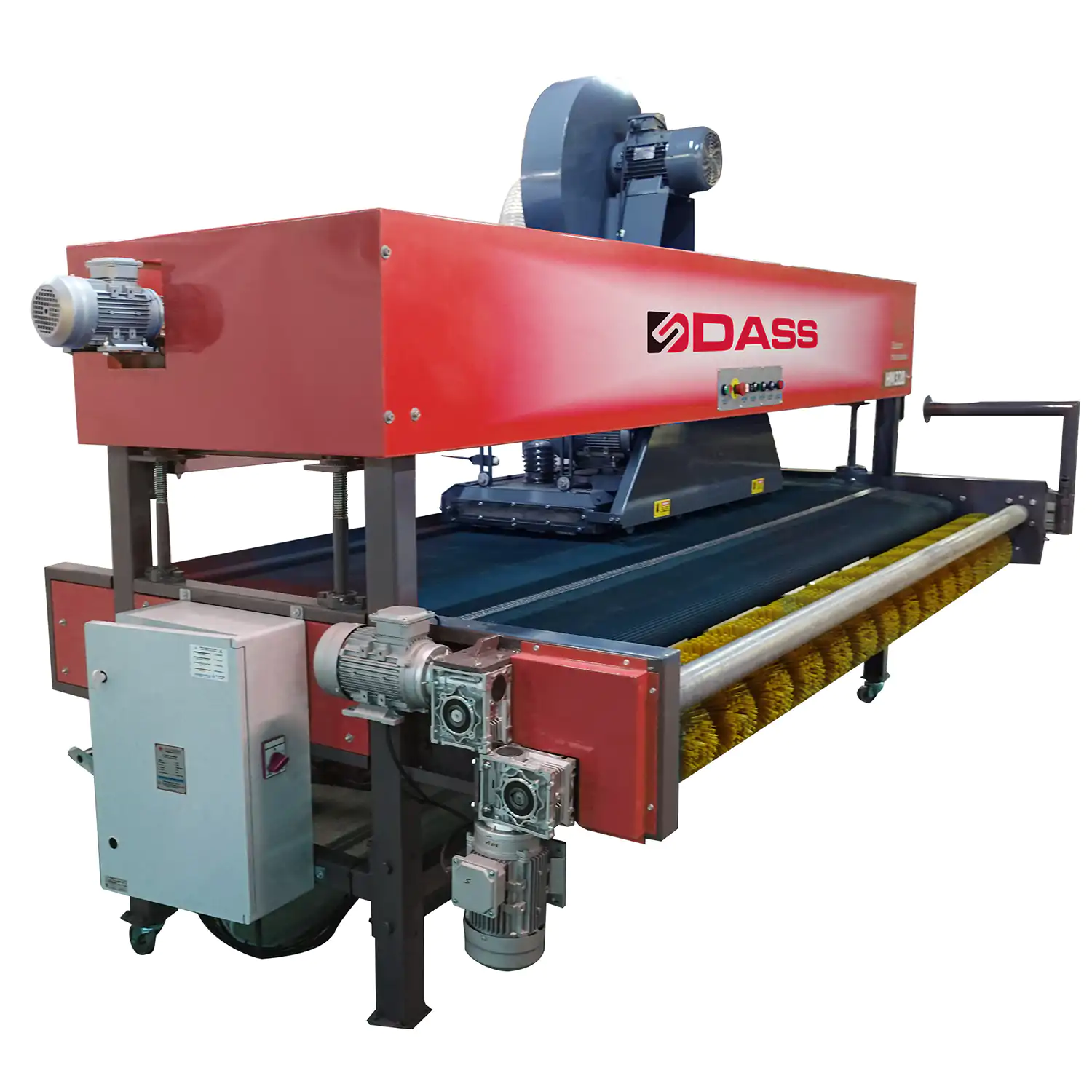
Disc brushes create mechanical action from different directions across the carpet surface. A roller brush supports pile direction, surface finishing and the continuous movement of the line. A quotation should therefore state how many brushes are disc units and how many are roller units instead of presenting only a total number.
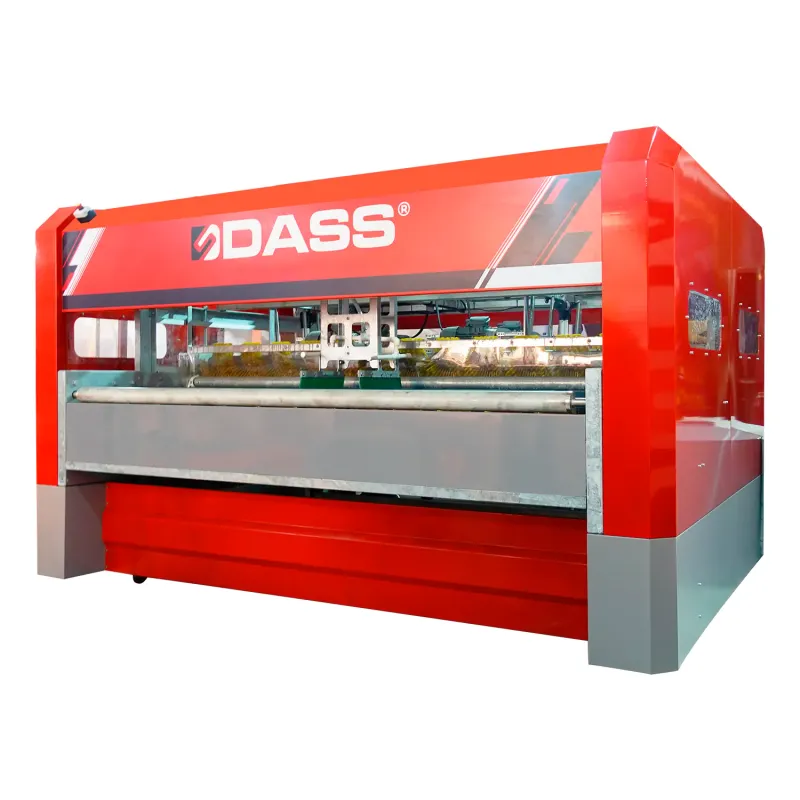
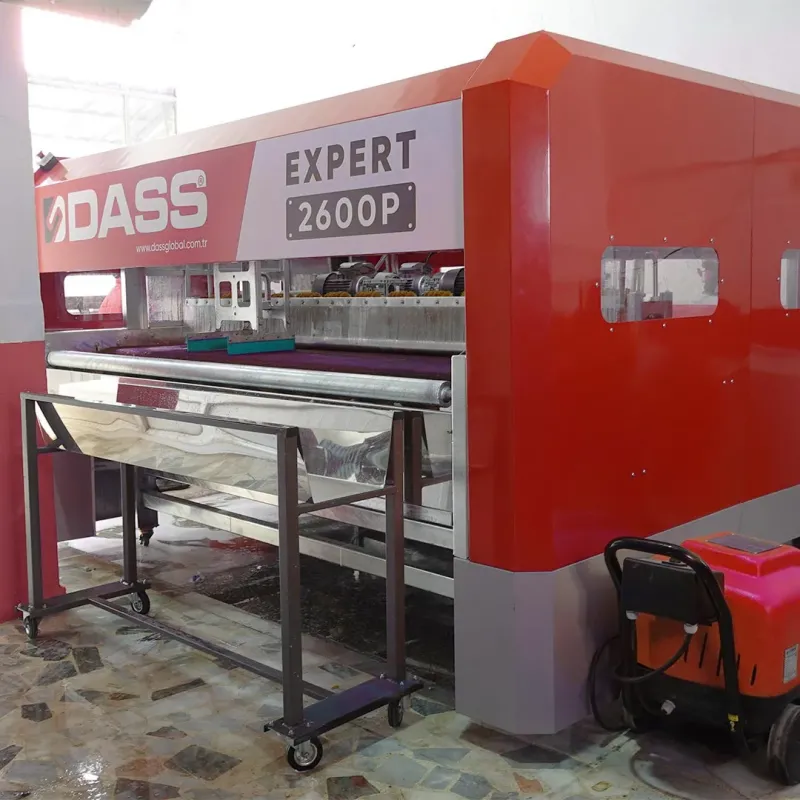
The DASS Expert 2600M uses four disc brushes and one roller brush, operates at 140 rpm and provides an adjustable conveyor speed of 3–5 m/min. With a 2,600 mm washing width, its stated capacity is 100–120 m²/h. These values show why production cannot be derived from brush count alone.
Why does conveyor speed matter?
If the conveyor moves too quickly, contact time between carpet, detergent and brushes may be insufficient for heavy soil. If it moves too slowly, throughput falls and unnecessary water and labour time may be used. An adjustable 3–5 m/min range allows the operator to match speed to carpet construction, contamination and pre-treatment requirements.
How washing width changes plant planning
The 2,600, 3,200 and 4,200 mm classes are not simply larger versions of the same investment. The width distribution of incoming carpets, building access, machine footprint, electrical power, water feed and drainage must be assessed. Purchasing a wide line for carpet sizes that rarely arrive can create unused capacity.
Three DASS Expert capacity classes
- Expert 2600M: 4 disc + 1 roller brush, 140 rpm, 3–5 m/min conveyor, 2,600 mm width and 100–120 m²/h stated capacity.
- Expert 3200P: 8 disc + 2 roller brushes, 140 rpm, 3–5 m/min conveyor, 3,200 mm width, 17 kW and 170–230 m²/h stated capacity.
- Expert 4200P: 10 disc + 2 roller brushes, 140 rpm, 3–5 m/min conveyor, 4,200 mm width, 19.2 kW and 250–350 m²/h stated capacity.
These figures explain the scale of each class. They are not a guarantee that every plant will achieve the maximum figure throughout every shift. Carpet preparation, loading interval, soil level, rinsing, extraction, drying and operator organisation all affect completed output.
Questions after brush count
- What is the most common carpet width entering the plant?
- How are disc and roller brushes arranged?
- Within which range can conveyor speed be adjusted?
- Are rinsing, squeegee and carpet rolling functions standard?
- Does the available electrical and water infrastructure match the machine?
- Can extraction and drying capacity accept the washing-line output?
The DASS automatic carpet washing machine range includes different washing widths and brush layouts. The correct investment matches brush configuration, conveyor speed, washing width and downstream capacity to the actual order profile of the plant.
Related Products
Leave a Comment