

























Does Paying Up to Five Times More for an Imported Cleaning Machine Guarantee Better Performance?

International buyers may receive quotations with a difference of several times for machines intended for a similar cleaning duty. In some projects an imported option can approach five times the cost of a locally manufactured solution. That difference should not automatically be interpreted as five times more cleaning performance. Freight, customs, distributor margins, exchange-rate exposure and imported spare parts may all be included in the final price.
The useful purchasing question is not which machine carries the highest price. The question is which machine completes the defined task with an acceptable lifecycle cost, predictable service access and the lowest operational interruption risk.
Compare machines only after defining the duty
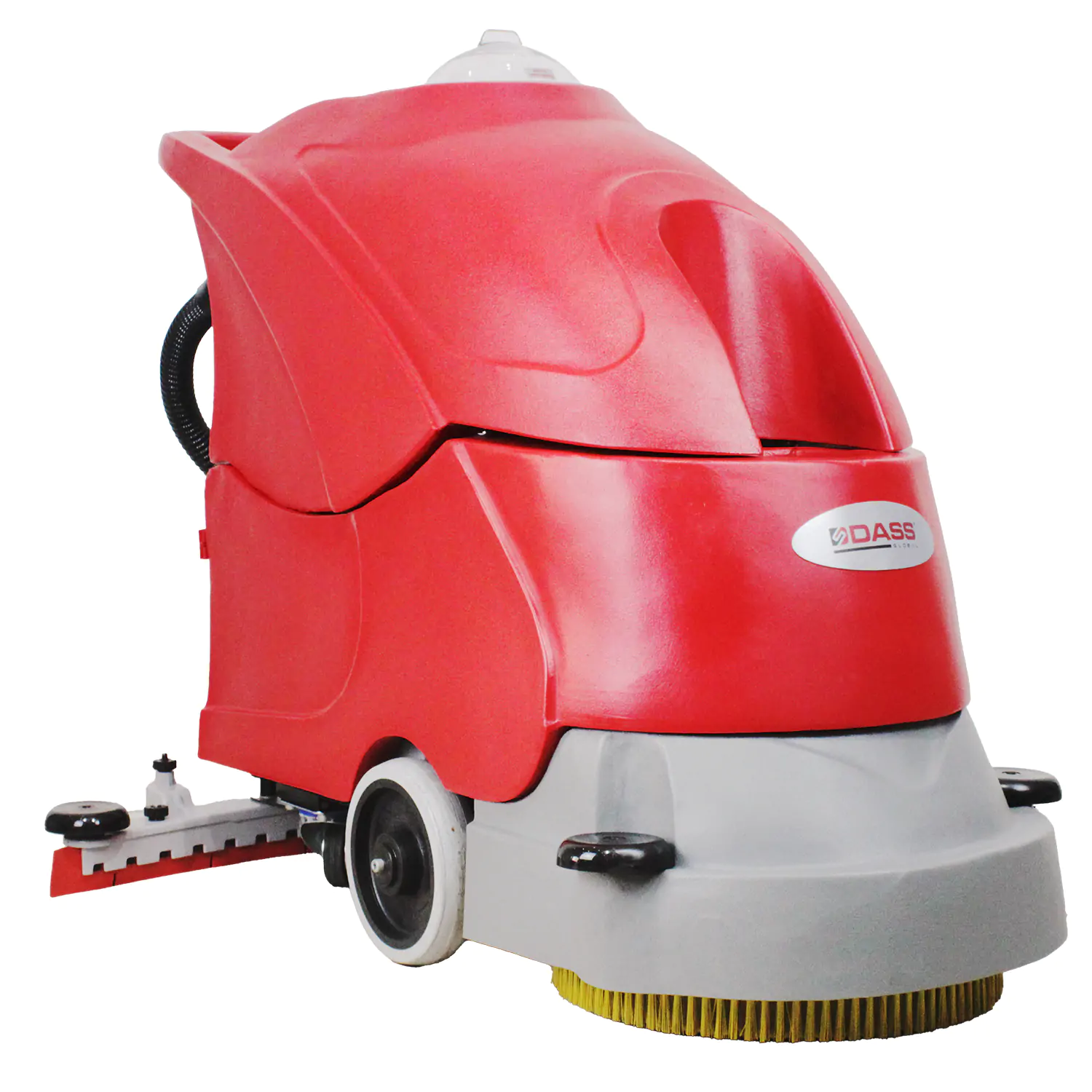
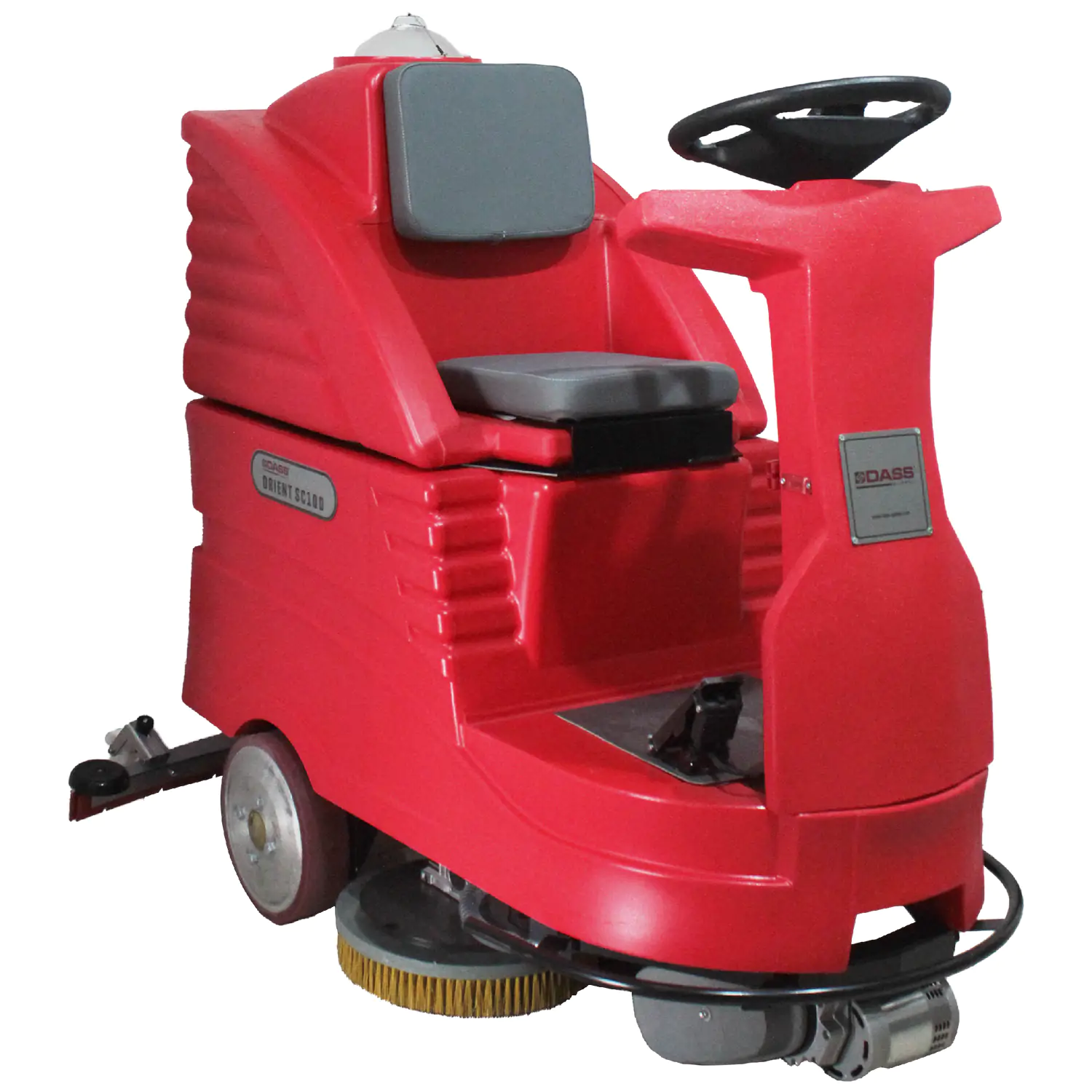
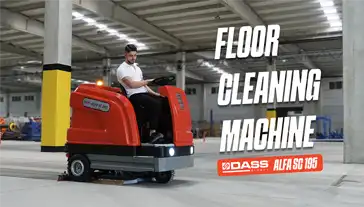
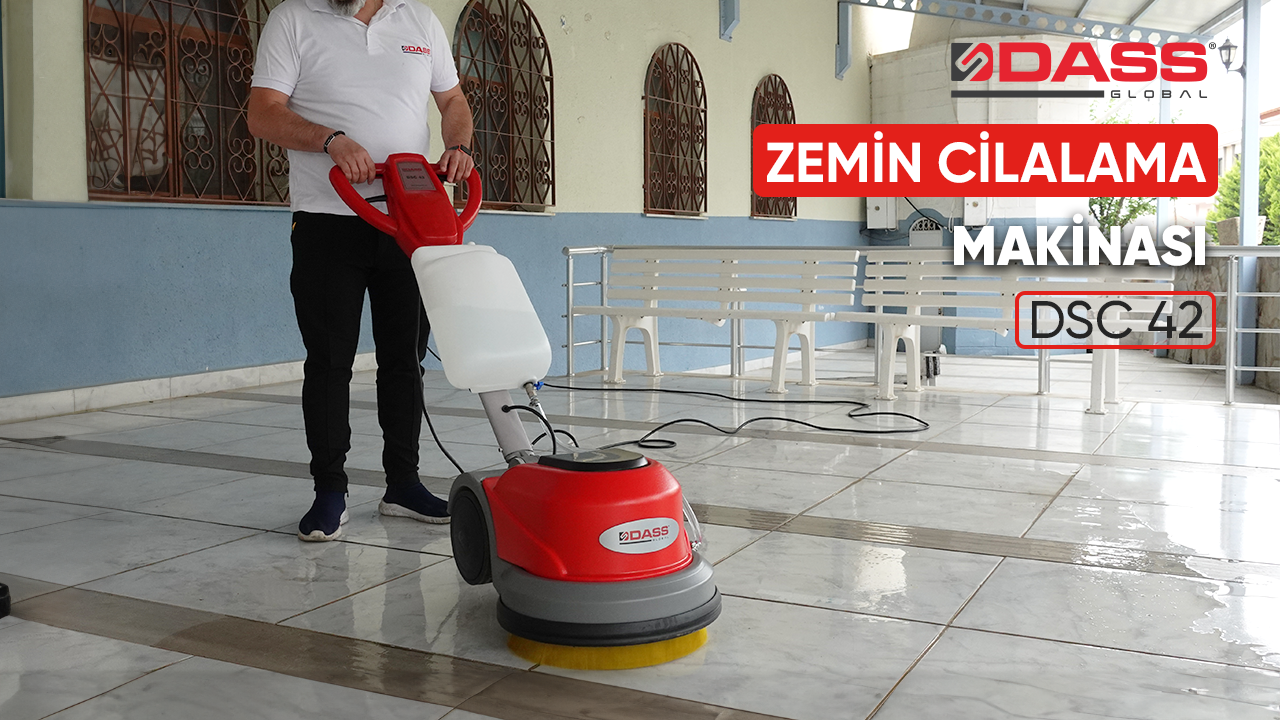
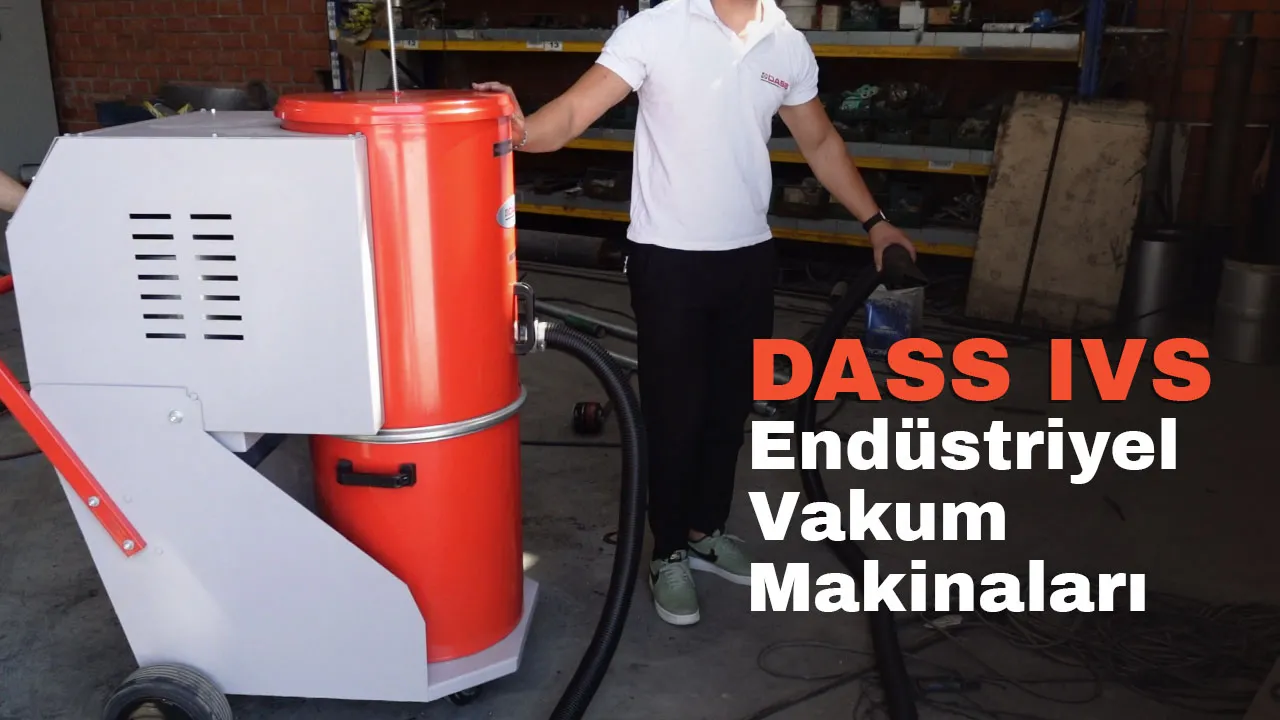
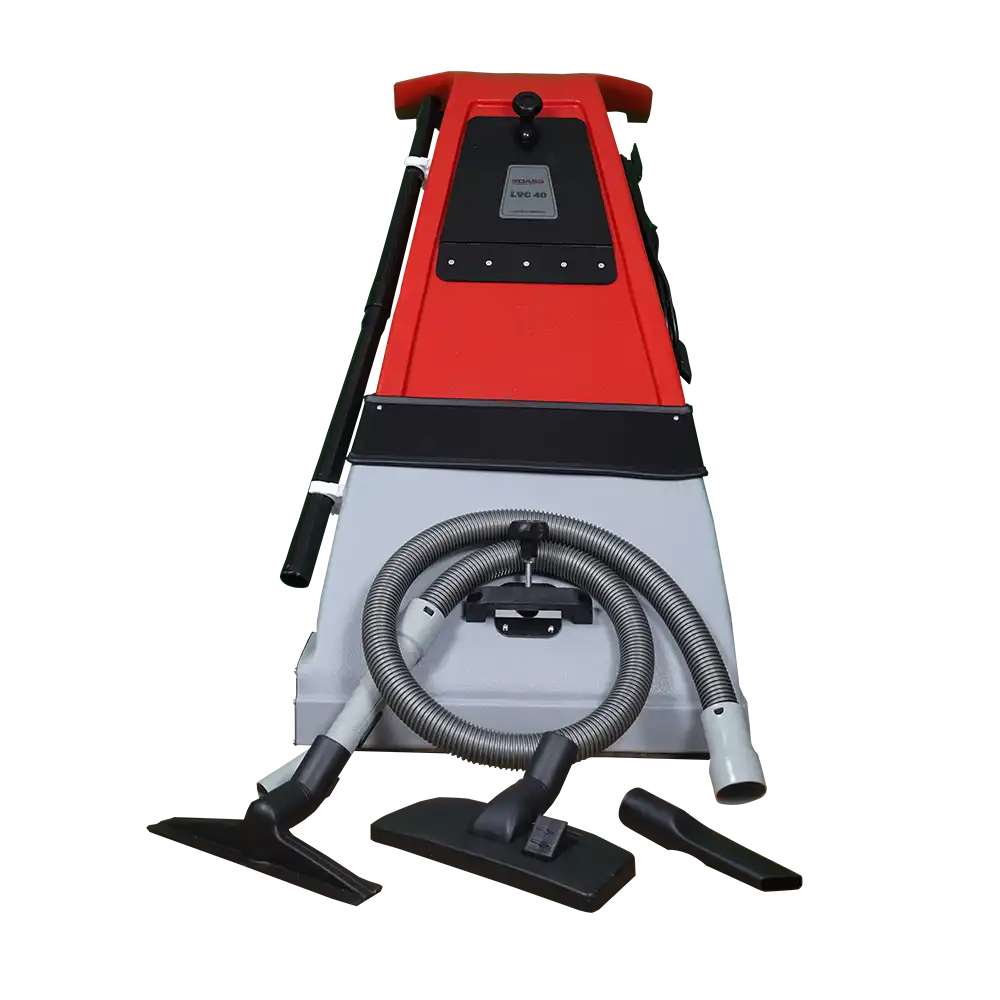
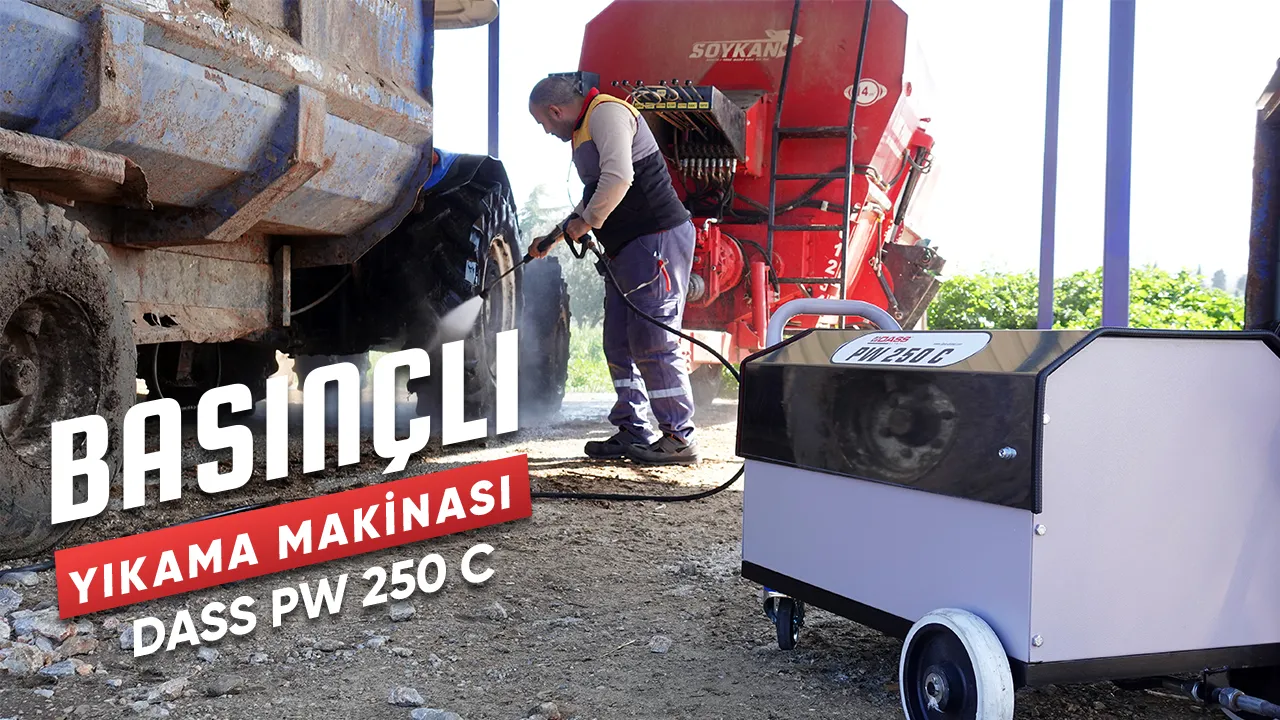
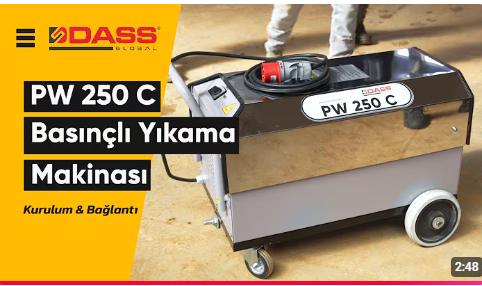
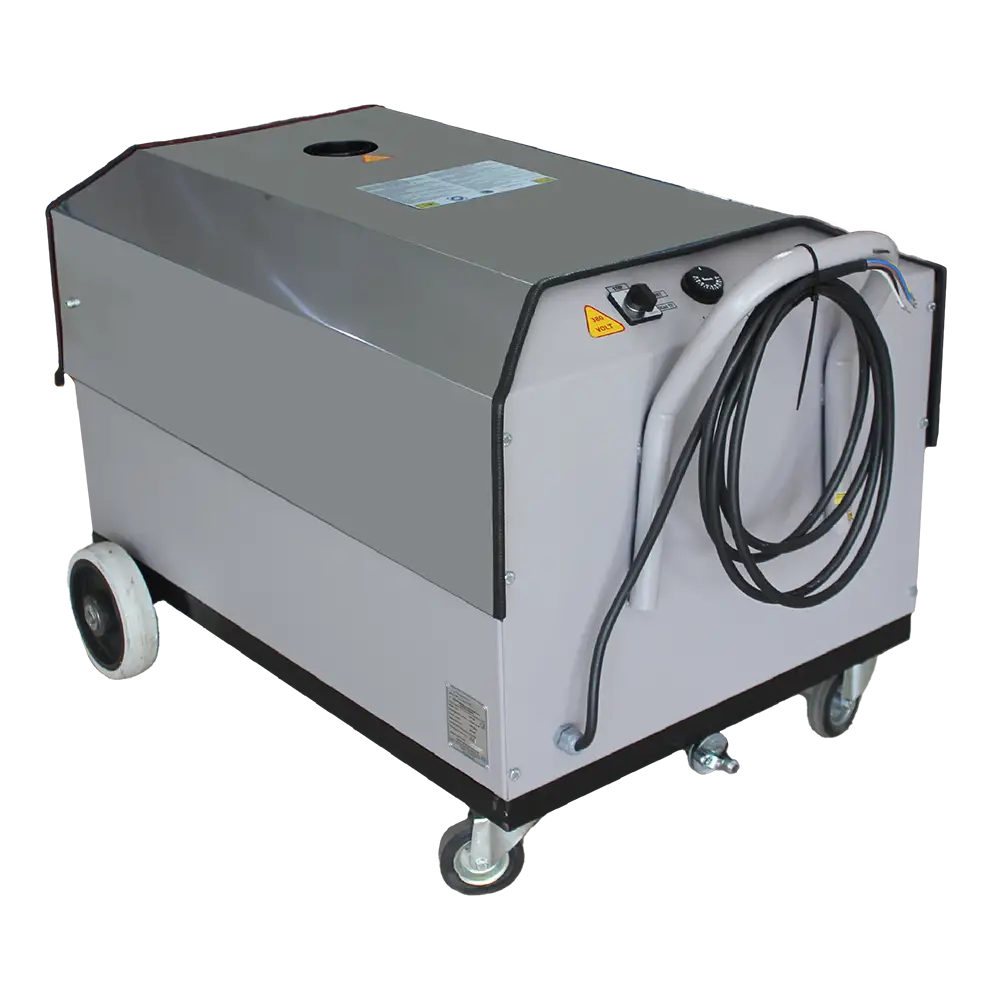
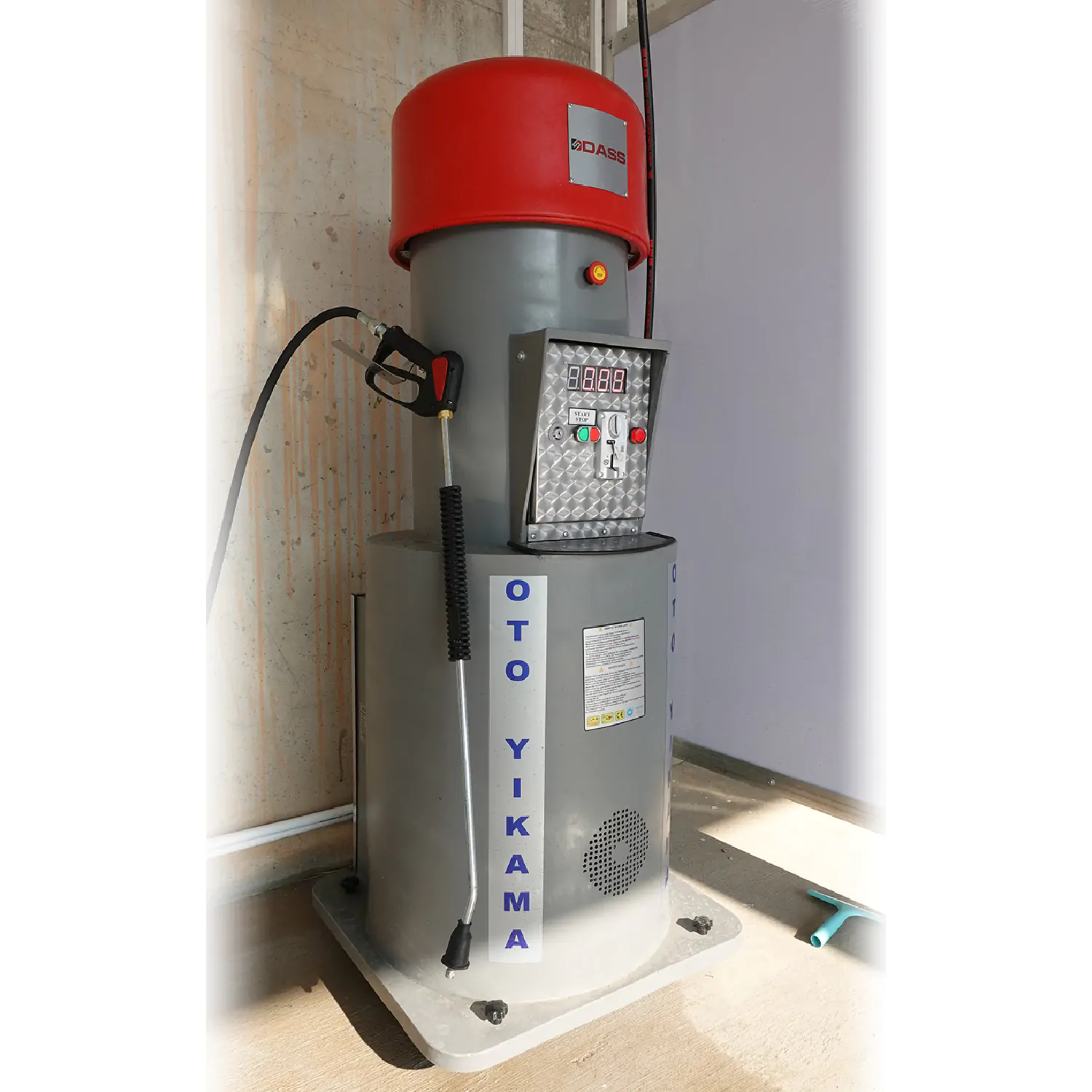
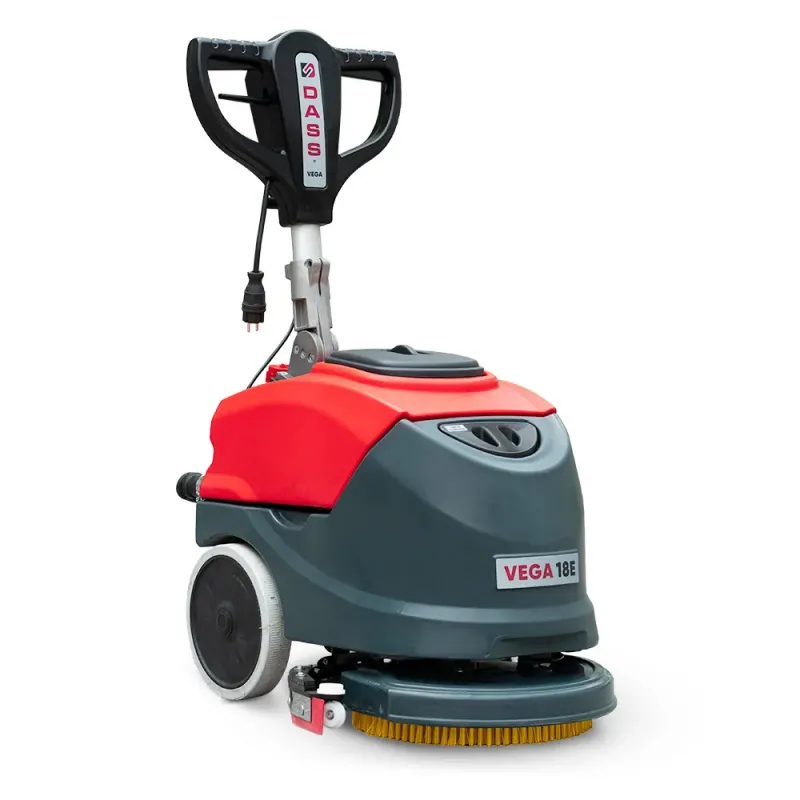
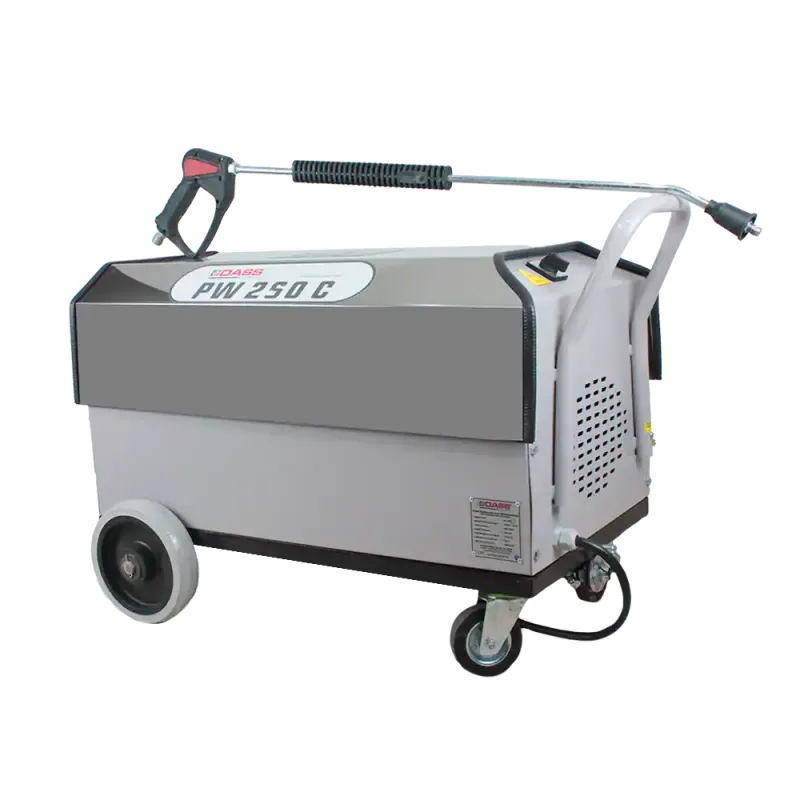
Two machines belong in the same comparison only when their technical duties match. For a floor scrubber, review brush width, recovery width, tank volume, power source and passage requirements. For an industrial vacuum, review motor configuration, airflow, filtration, tank size and inlet diameter. For a pressure washer, pressure must be assessed together with flow rate, pump construction, water temperature and electrical infrastructure.
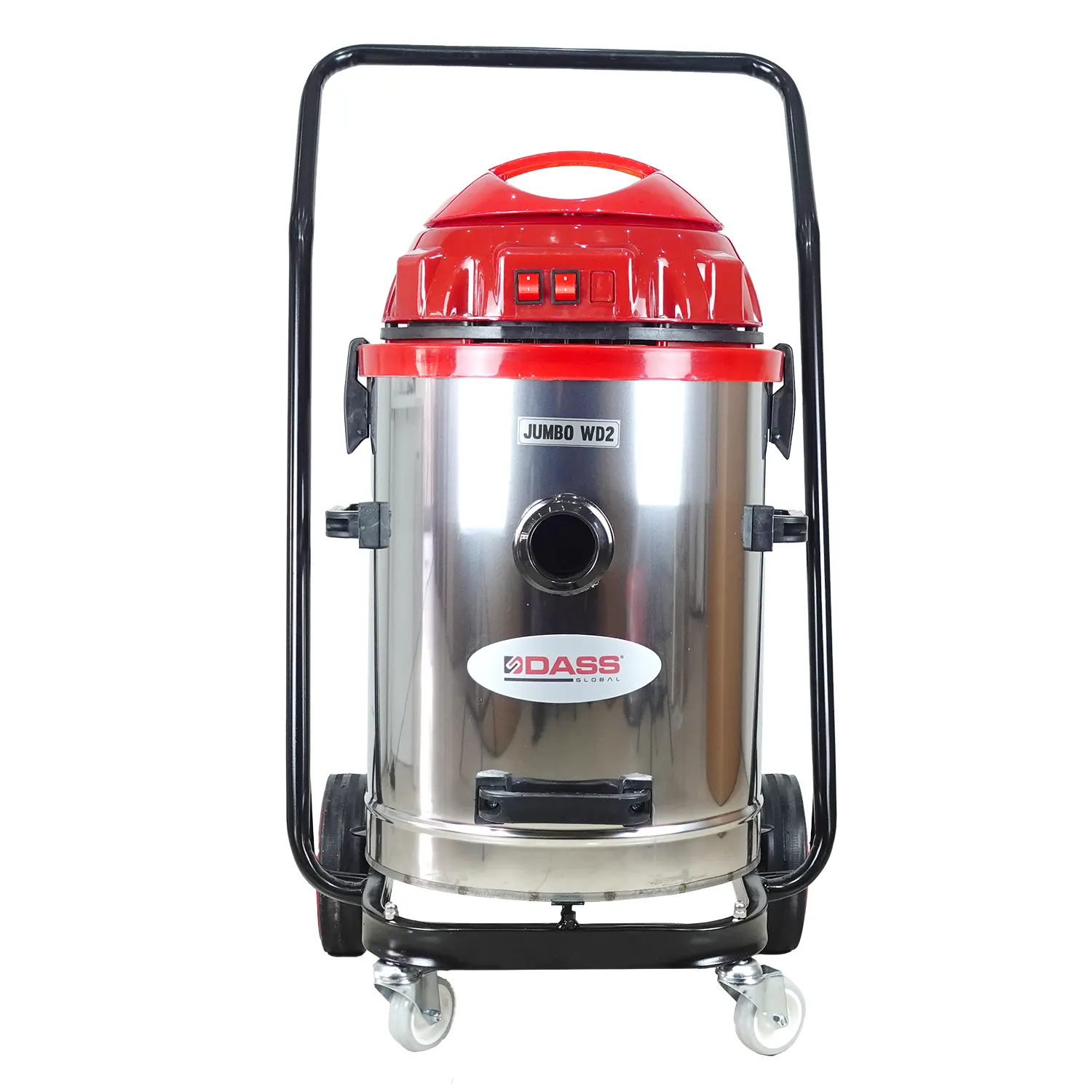
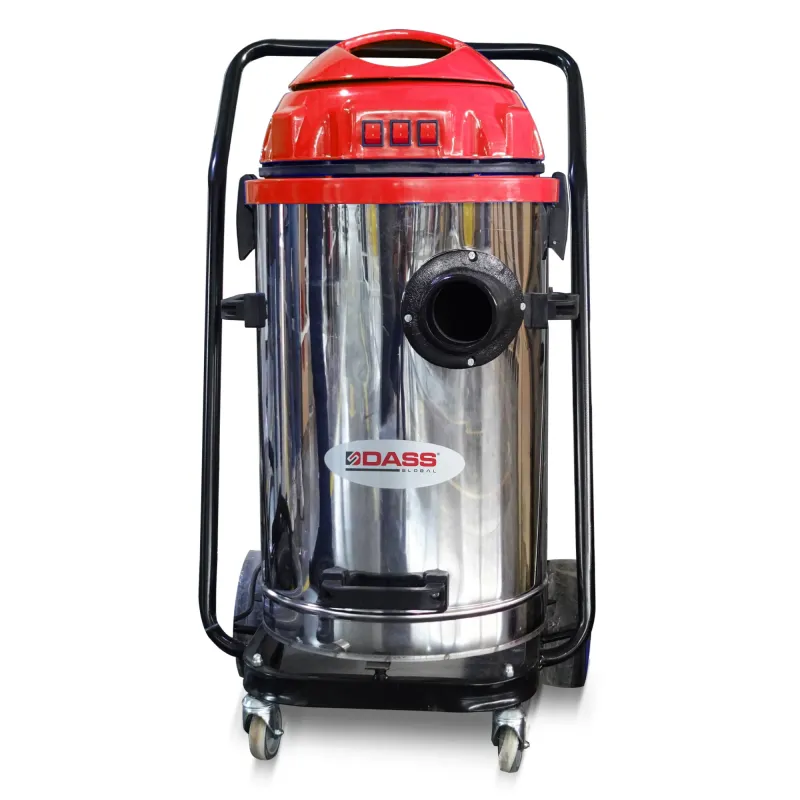
A three-motor description alone does not prove that two vacuum cleaners will handle the same waste. DASS Jumbo WD3 combines three motors, a 75-litre stainless tank and 220 V operation for wet and dry cleaning. Where bulky industrial waste makes a conventional hose inlet the limiting point, DASS Jumbo WD3-S adds a wide suction path, three 1,600 W motors and 8,000 L/min airflow. These machines should be evaluated against the waste type rather than a general motor-count statement.
Purchase price is only the first cost
- Downtime: The cost of a stopped machine includes delayed work and idle labour, not only the failed component.
- Spare-parts lead time: A low-frequency fault can still become expensive when the required part takes weeks to arrive.
- Consumables: Brushes, pads, squeegee blades, filters, hoses and seals should be included in the annual budget.
- Utilities: An oversized or poorly matched machine can consume more electricity, water and operator time.
- Currency exposure: Imported parts and service priced in foreign currency make future costs less predictable.
Why can a manufacturer in Türkiye be commercially valuable?
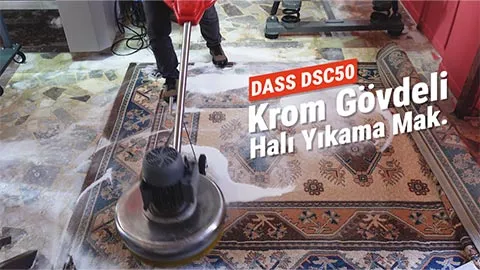
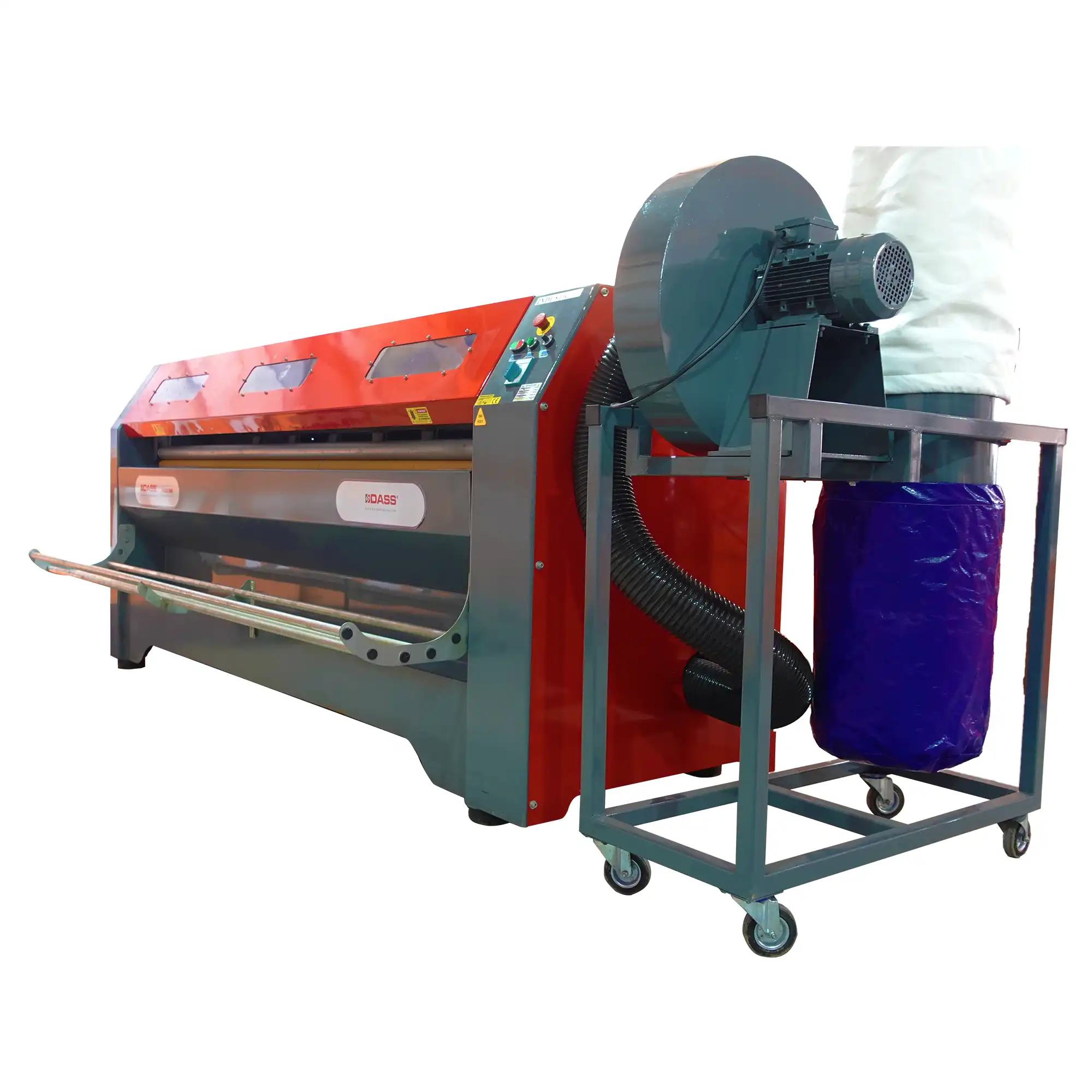
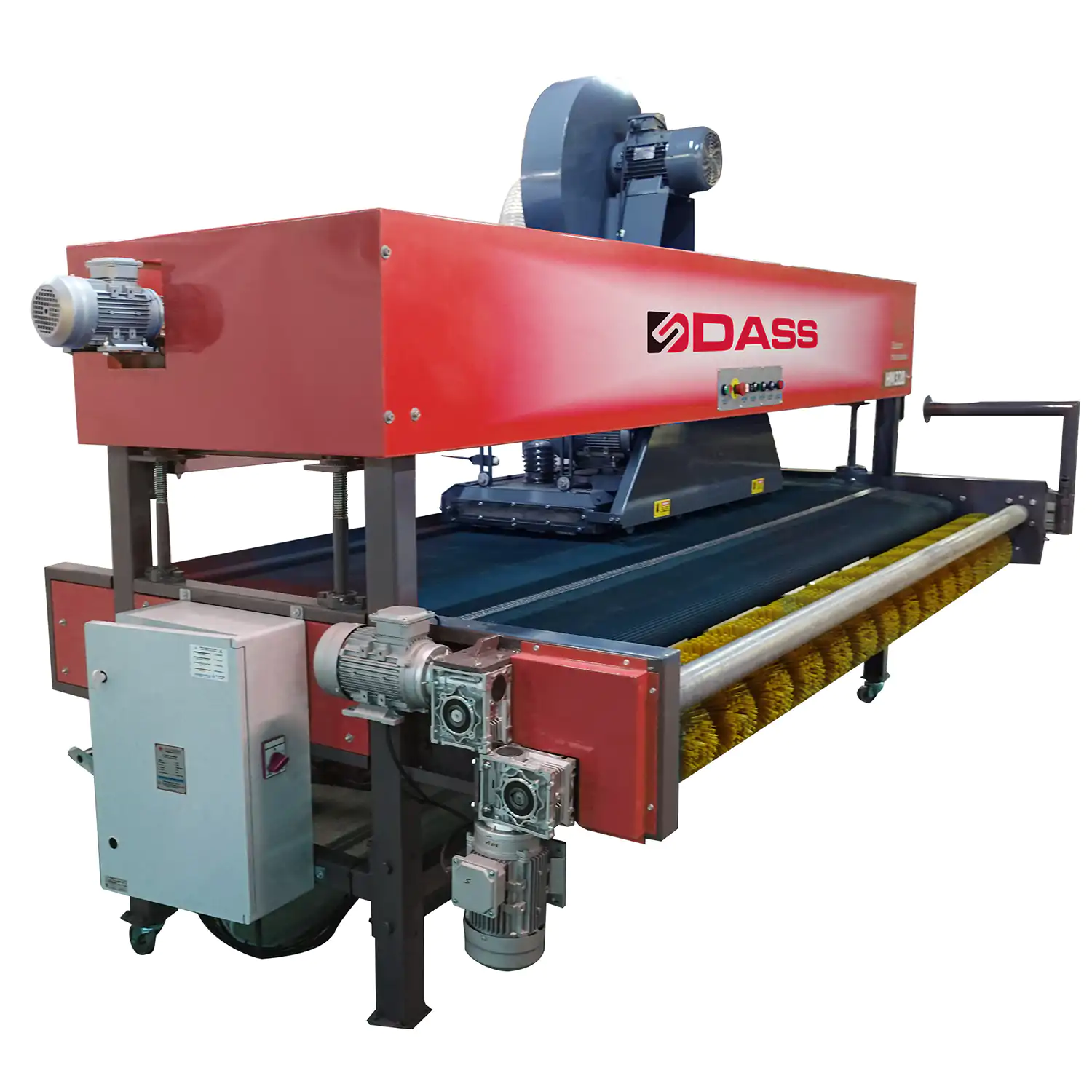
The main benefit is not limited to a lower initial price. Direct access to the manufacturer can shorten the technical decision chain. Brush configuration and plant layout can be discussed for a carpet washing line; passage width can be checked for a floor scrubber; waste type and hose diameter can be reviewed for an industrial vacuum. A locally accessible engineering and service structure can reduce specification errors before shipment and shorten response time after installation.
This does not mean every imported machine is unsuitable. A specialised imported machine may be the correct choice when it provides a documented capability that is not available locally. The point is that origin and price are not technical specifications. Measurable performance, serviceability and total cost must support the decision.
Six questions for the quotation file
- Which floor, waste or contamination type is the proposed model designed to handle?
- Which brush, filter, hose, nozzle and accessory are included as standard?
- Which parts are changed most frequently and what are their current lead times?
- How are warranty and post-warranty service managed in the destination country?
- Can the expected result be demonstrated under a comparable operating condition?
- What are the estimated three-year consumable, maintenance and downtime costs?
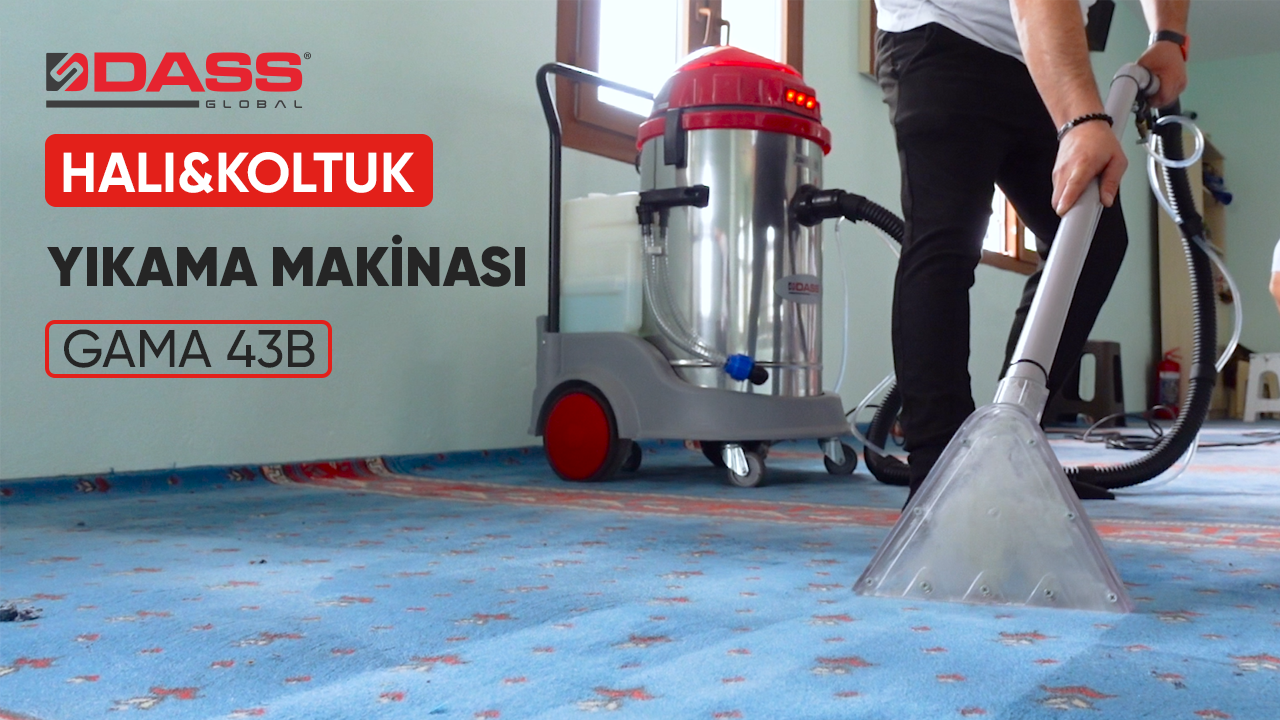
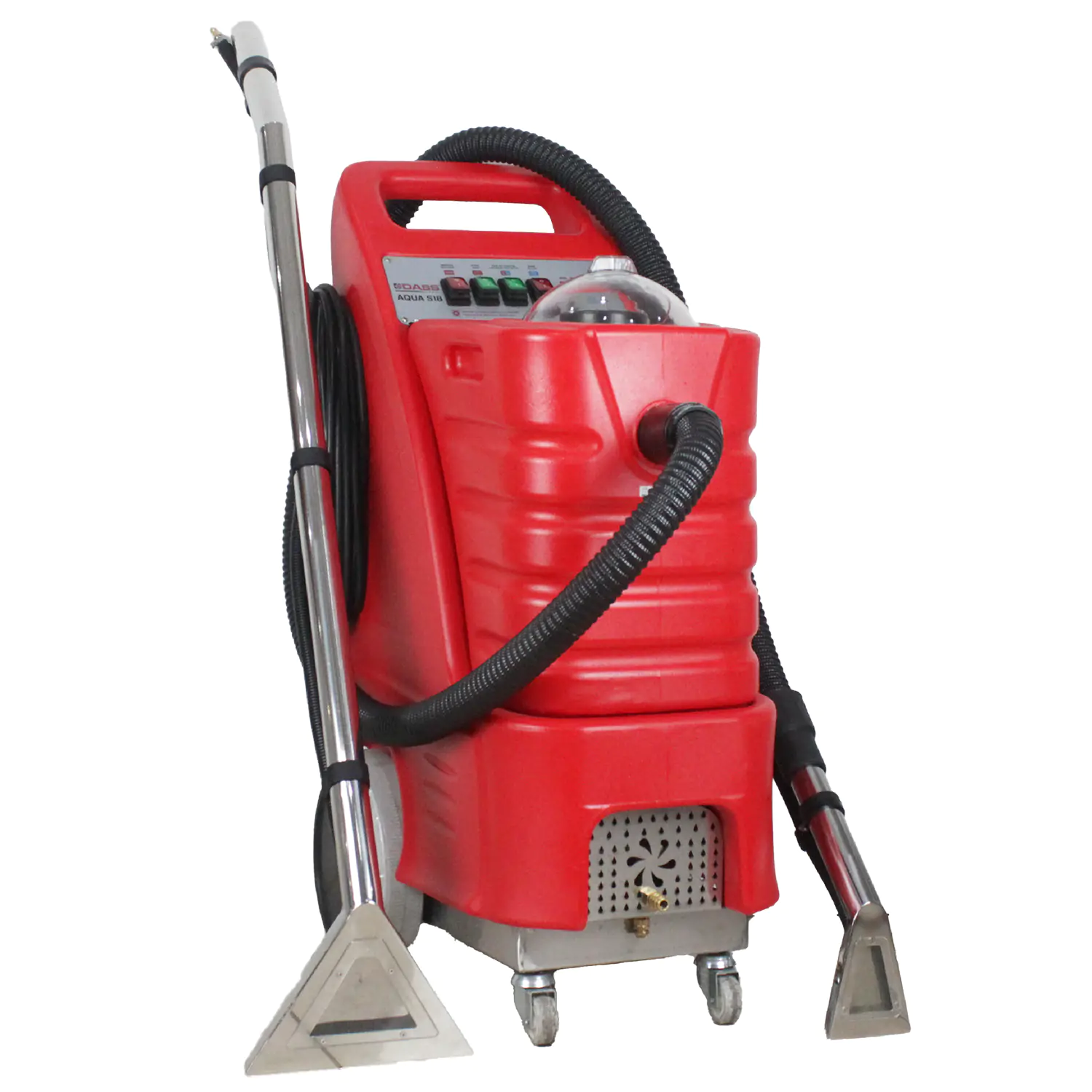
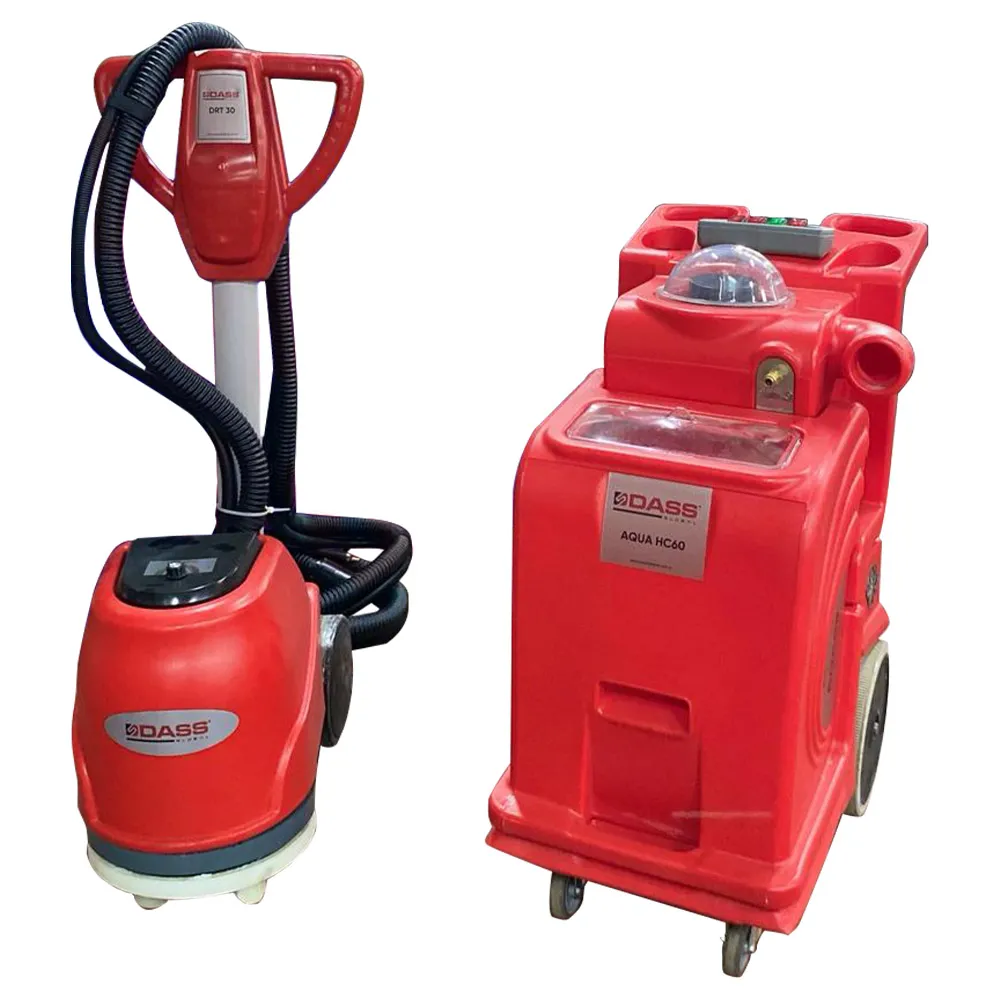
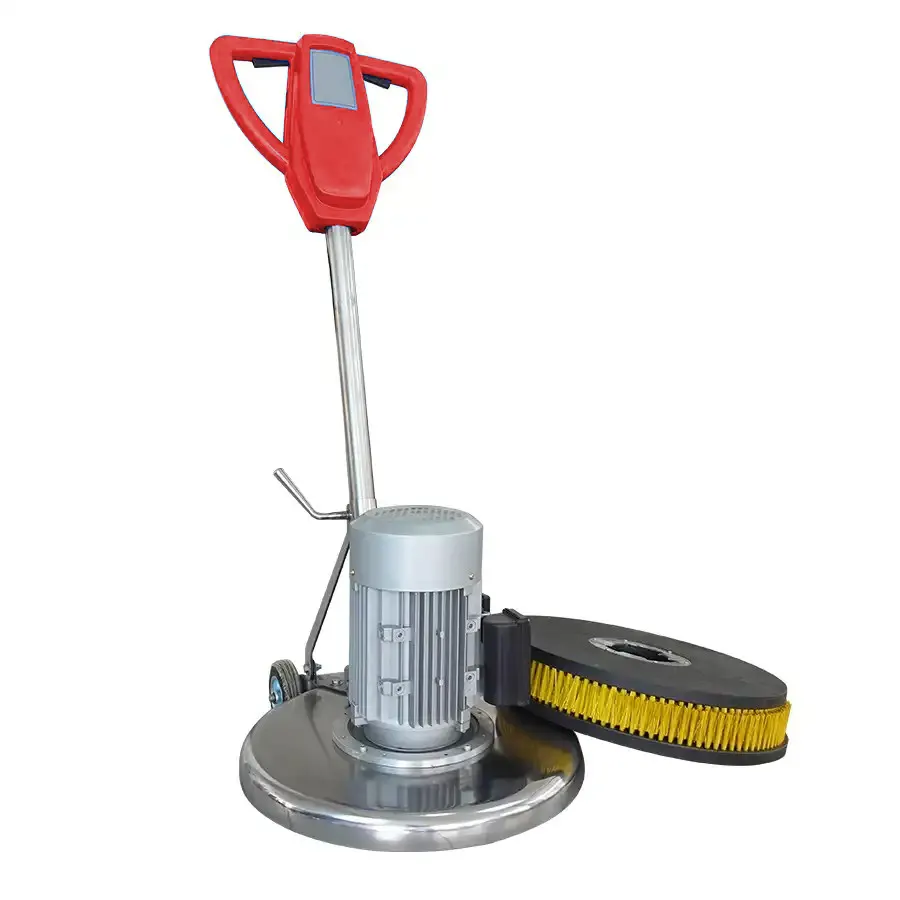
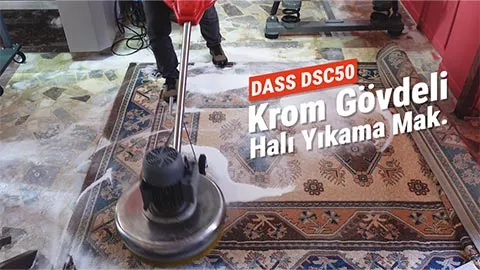
Before requesting an export quotation, buyers can compare the DASS ranges for floor cleaning machines, industrial vacuum cleaners, automatic carpet washing machines and professional pressure washing systems.
Conclusion
The most expensive machine is not automatically the safest investment. When quotation differences approach several times the local alternative, the decision should be supported by comparable duty, verified technical data, service access and lifecycle cost. The correct machine is the one that produces the required result and keeps unplanned downtime under control.
Related Products

Leave a Comment